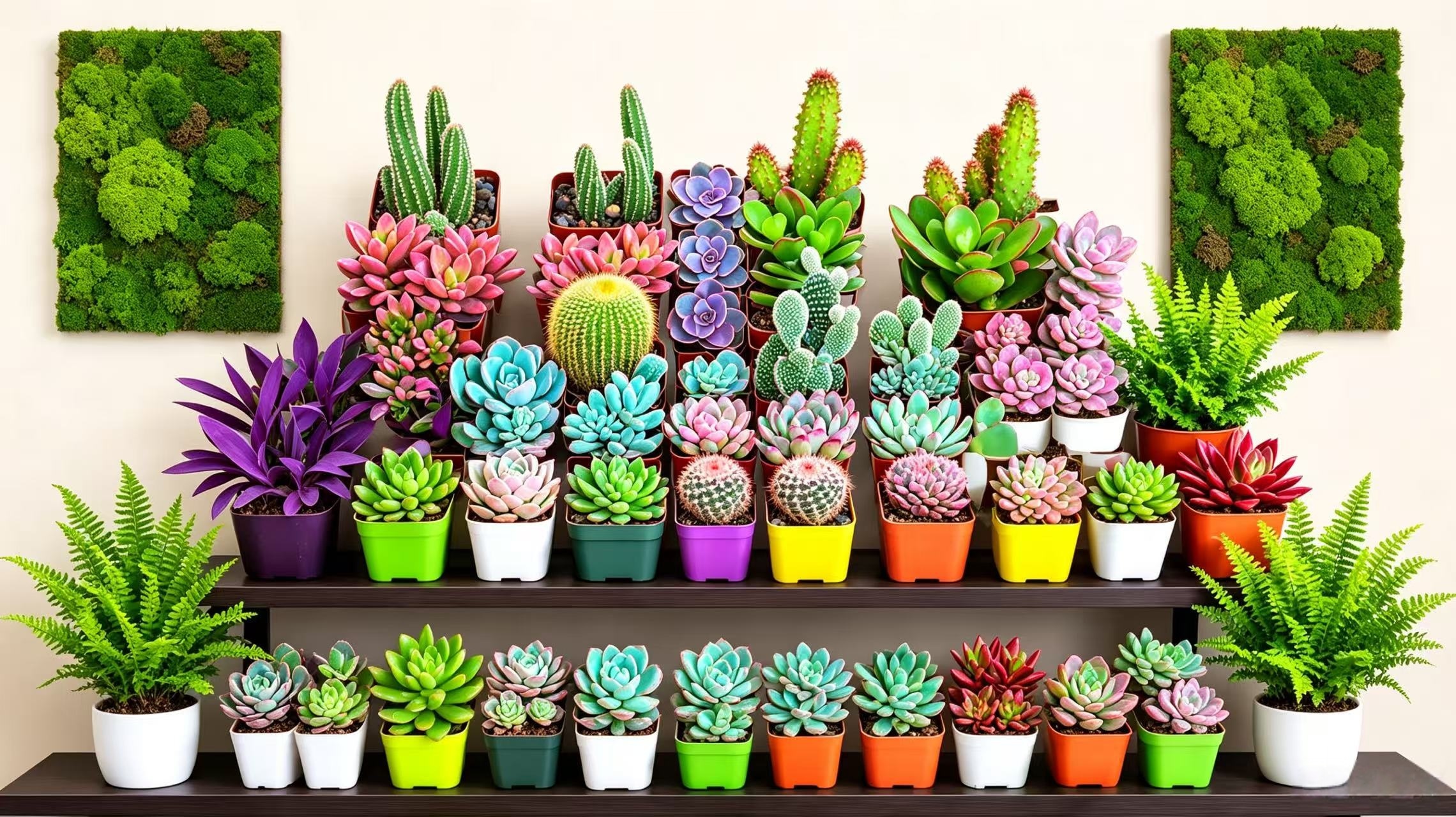
What Are Succulents and How Do You Care for Them as a Beginner?
Are you enchanted by those beautiful, sculptural plants with plump leaves and mesmerizing shapes you often see on windowsills or Instagram feeds? Welcome to the wonderful world of succulents! If you’re a beginner, learning what succulents are and how to care for them can be the first step to growing a thriving, low-maintenance indoor jungle. In this comprehensive guide, we’ll cover everything from the definition of succulents to essential care tips, common mistakes, and how to multiply your collection with propagation. Let’s get started!
---
What Are Succulents?
Succulents are a group of plants that have adapted to survive in arid conditions by developing thick, fleshy leaves, stems, or roots that store water. This adaptation not only enables them to withstand drought but also makes them incredibly resilient and easy to care for—perfect for busy plant lovers and beginners alike!
Some common characteristics of succulents include:
- Fleshy or waxy leaves and stems
- Unique shapes and vibrant colors
- Ability to retain water for extended periods
Popular succulent varieties include:
- Aloe Vera: Known for its soothing gel
- Echeveria: Rosette-shaped and comes in many colors
- Jade Plant (Crassula ovata): A symbol of good luck
- Haworthia: Compact, slow growers perfect for desks
- Sedum, Cactus, and Kalanchoe: Other fascinating options
Curiosity piqued? Let’s see why succulents are a real treat for beginners.
---
Benefits of Growing Succulents
Before you bring home a succulent, here’s why they make excellent houseplants:
**1. Low Maintenance Needs**
Succulents require minimal care and infrequent watering. Forgetful about plants? Succulents don’t mind!
**2. Aesthetic Appeal**
Their striking shapes, colors, and arrangements can turn any space into a mini-oasis. They fit stylishly on desks, windowsills, or coffee tables.
**3. Versatility**
Succulents thrive both indoors and outdoors, provided their basic needs are met.
**4. Air Purification**
Several succulents help improve indoor air quality by removing toxins and releasing oxygen.
---
Basic Needs of Succulents
Succulents may be simple but, like every living thing, they have preferences. Here’s what they need:
**Light Requirements**
Succulents love bright, indirect sunlight. Ideally, place them near a south or east-facing window indoors. Outdoors, morning sun and afternoon shade are ideal. Too much harsh sunlight may scorch their leaves, while too little can make them leggy and pale.
**Soil Preferences**
Regular garden soil retains too much moisture. Succulents thrive in well-draining soil to prevent root rot. Look for cactus or succulent-specific mixtures, or make your own by mixing potting soil with sand, perlite, or pumice.
**Watering Techniques**
Overwatering is the number one killer of succulents. Think of their natural habitat—rain is infrequent, so their roots dislike being soggy. Water only when the soil is completely dry. The “soak and dry” method works best: water thoroughly, then wait until the soil dries out before watering again.
**Temperature and Humidity**
Most succulents prefer temperatures between 60°F to 80°F (15°C to 27°C). They can tolerate dry indoor air but generally dislike high humidity or cold drafts. Outdoors, protect them from frost or extreme heat.
---
Potting and Repotting Succulents
Proper potting is key to your succulent’s health!
**Choosing the Right Pots**
Pick pots with drainage holes. Clay or terracotta pots are a great choice as they wick excess moisture away from roots, reducing the chances of overwatering.
**How to Repot a Succulent**
1. Choose a slightly larger pot with drainage.
2. Gently remove the succulent from its old pot.
3. Shake off excess soil and inspect roots for rot.
4. Place into new soil, patting lightly.
5. Hold off on watering for a few days to allow root adjustment.
**When to Repot**
Succulents prefer being slightly root-bound, but if you notice roots growing out of drainage holes or the plant looking cramped, it’s time to move them to a bigger home—typically every 1 to 2 years.
---
Common Mistakes Beginners Make
Learning comes with hiccups. Here are pitfalls to avoid:
**Overwatering**
Trust us, less is more! Wilting, translucent, or yellowing leaves often indicate too much water.
**Wrong Soil**
Avoid standard potting soil; it simply holds too much moisture for succulents.
**Insufficient Light**
If your succulent is stretching and its leaves are growing far apart (“etiolation”), it needs more light.
**Ignoring Pests**
Though hardy, mealy bugs, spider mites, and fungal gnats can sometimes attack. Catching infestations early is key!
---
Propagation: Growing More Succulents
One of the joys of succulents is how easily they multiply. You can propagate them through offsets (“pups”), leaf cuttings, or stem cuttings.
**Propagation Step-by-Step for Beginners:**
1. *Leaf Cuttings*: Gently twist a healthy leaf off the stem. Let it dry for a day or two to callous. Place on dry soil and mist occasionally—roots and a baby plantlet will appear.
2. *Stem Cuttings*: Cut a stem with clean scissors. Let the cut end dry for a few days, then place it in soil. Water sparingly until roots develop.
3. *Offsets (“Pups”)*: Some succulents produce baby plants at their base. Gently remove and plant these in their own pots.
Propagation is a satisfying way to expand your collection or share with friends.
---
Troubleshooting: Common Succulent Problems and Solutions
Is your succulent looking sickly? Don’t worry! Here are some common issues:
**Soft, Mushy Leaves**
Usually means overwatering or root rot. Remove affected leaves, let the plant dry out completely, and repot if necessary.
**Wrinkled, Shriveling Leaves**
Often a sign of underwatering. Give a thorough soak and adjust your watering frequency.
**Pest Infestations**
Tiny white spots (mealy bugs), webbing (spider mites), or gnats around the soil are pests. Use rubbing alcohol, insecticidal soap, or repot with fresh, sterile soil.
**Leggy Growth**
Your plant may need more light. Move it closer to a window or supplement with a grow lamp.
---
Conclusion
Succulents are a beginner’s dream: resilient, beautiful, and often forgiving of the occasional care slip. By understanding what succulents are, what they need, and how to nurture them, you can enjoy a diverse array of these fascinating plants for years to come. Remember the golden rules: provide bright indirect sunlight, use well-draining soil, and water only when truly dry.
Have questions or want to share your own succulent journey? Drop a comment below! Happy planting!